
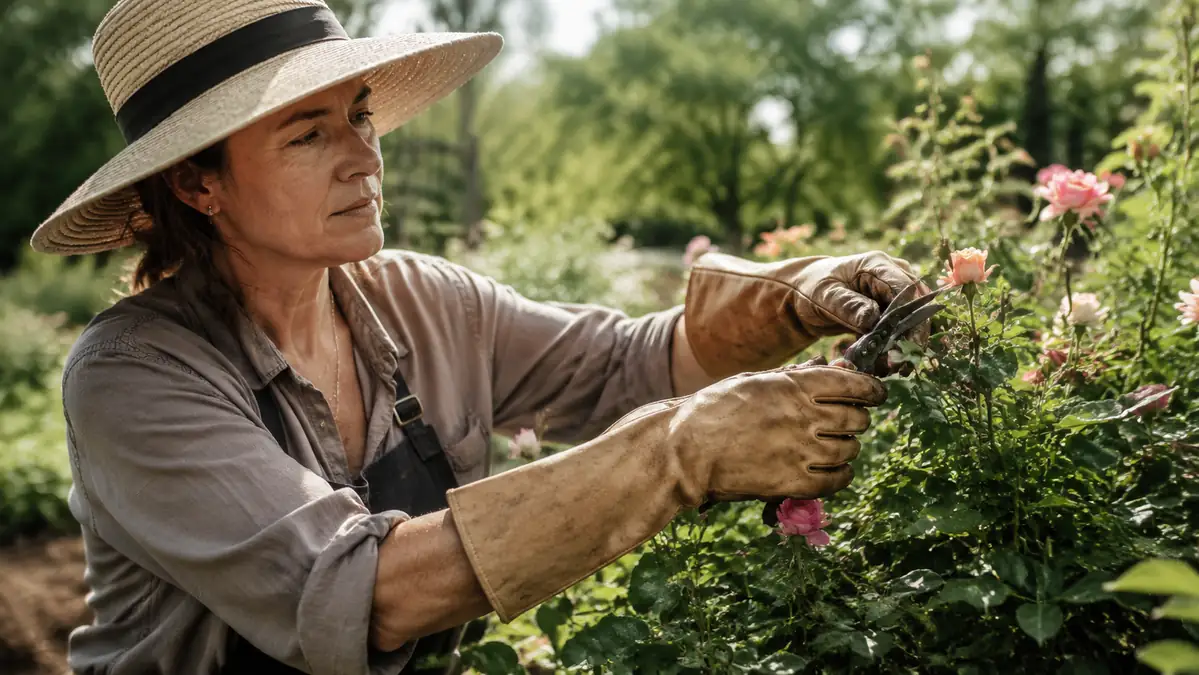
Every spring I forget how mean my rugosa roses are until the first pass with regular garden gloves. The thorns snag right at the wrist, right where a short cuff has already given up, and I end up with two or three fresh scratches before I'm even halfway down the row. Two seasons ago I switched to a pair of HANDLANDY gauntlet gloves, the breathable pigskin leather pair with the long thorn-proof cuff, and pruning day stopped being something I dreaded. If you're still working thorny canes and blackberry hedges in wrist-length gloves, here are ten reasons gauntlet gloves earn a permanent spot on your potting bench.
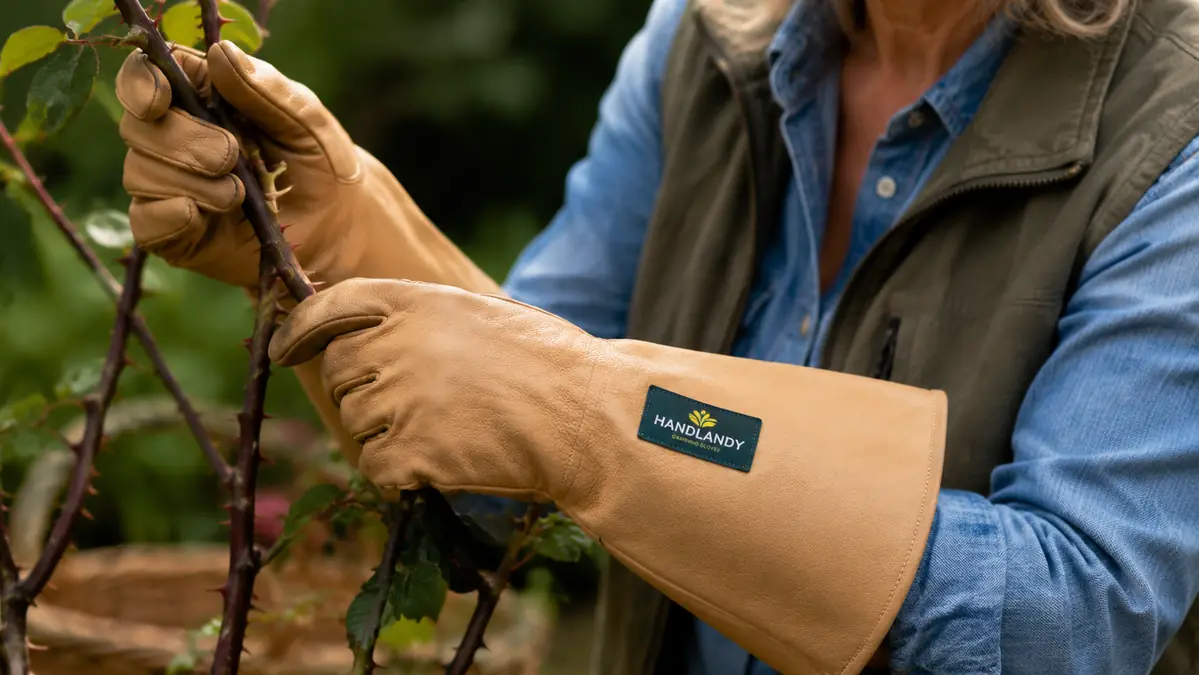
A gauntlet glove isn't just a longer cuff for looks. The extended leather sleeve on the HANDLANDY pair runs most of the way up my forearm, thick enough that blackberry thorns and rose canes can't find skin no matter how far I twist my wrist reaching into a thicket. Here's what actually changed once I started reaching for gauntlet gloves instead of my old cotton-back pair, one reason at a time.
Stop Trading Scratched Forearms for a Pretty Rose Bed
HANDLANDY's thorn-proof pigskin gauntlet gloves cover your wrist and forearm the way a standard garden glove never will. See today's price and decide if they belong in your shed.
Amazon See Today's Price on Amazon →Gauntlet Gloves Cover the Wrist Where Thorns Actually Get You
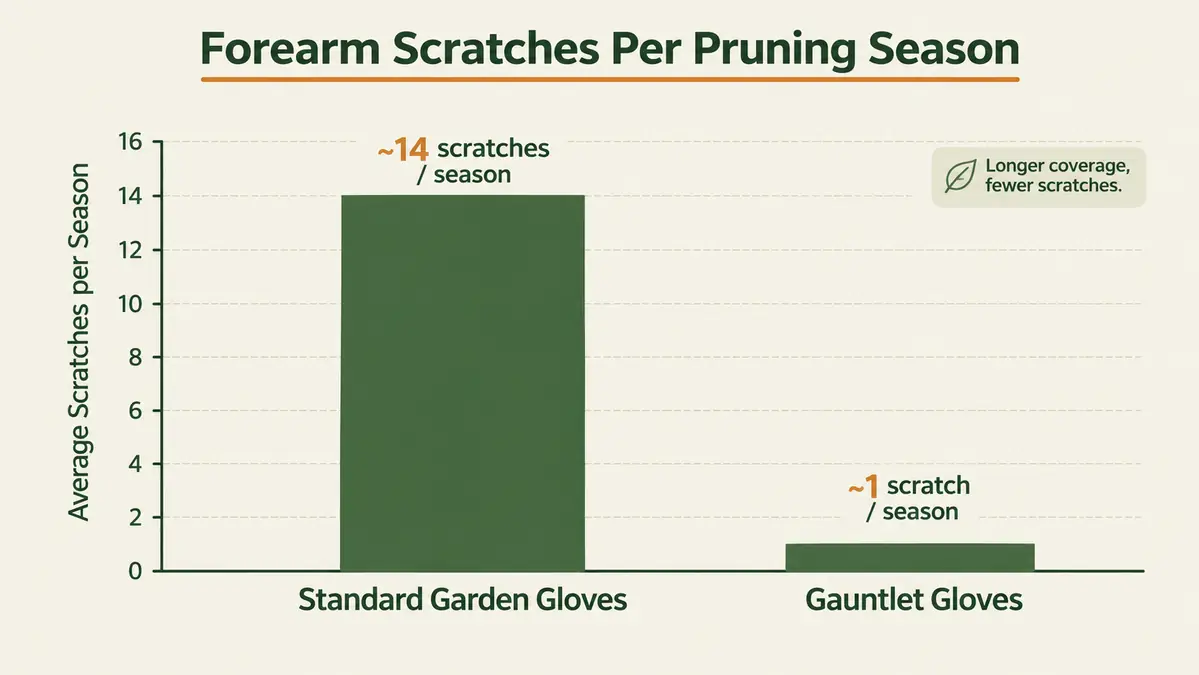
Almost every scratch I got with standard gloves landed in the same place: the inch or two of exposed skin between the glove cuff and my sleeve. Gauntlet gloves close that gap entirely. The long leather cuff on these overlaps my shirt sleeve instead of stopping short of it, so there's no bare stretch of wrist for a cane to catch as I pull it toward me. I break down exactly how much difference that made over a full season in my long-term review of these gloves.
Gauntlet Gloves Let You Reach Deep Into Bramble Without Flinching
With regular gloves, I used to hesitate before plunging an arm into a blackberry hedge to find the cane I actually needed to cut. That half-second of flinching cost me time and usually a scratch anyway. With the long cuff on gauntlet gloves, I reach straight in without thinking twice, because I know the leather is covering me well past where the thorns are thickest. Jobs that used to take careful, cautious movements now just get done.
The Cuff on Gauntlet Gloves Stops Scratches Cold, Not Just Punctures
It's easy to think glove thickness is only about avoiding a deep puncture from a big thorn. Most of my real injuries were shallow scratches from smaller thorns dragging across skin as I moved my arm. The long, snug cuff on a pair of gauntlet gloves prevents that sliding contact in the first place, since there's no exposed skin left for a thorn to drag across as I withdraw my arm from a bush.
Gauntlet Gloves Handle Rose Thorns and Blackberry Canes Equally Well
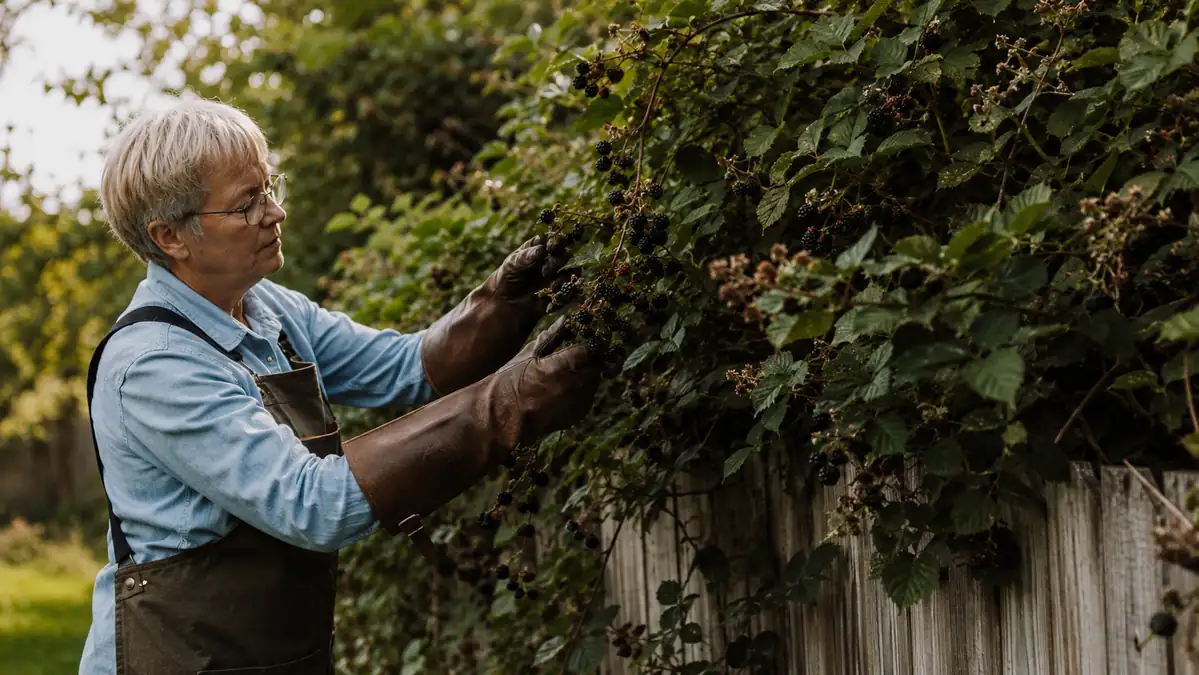
I use the same pair of gauntlet gloves on two very different jobs: deadheading and pruning three rose beds, then clearing a blackberry hedge that borders my back fence. Rose thorns are sharp but small, blackberry thorns are bigger and hook backward, and the pigskin leather has held up against both without tearing. I didn't expect one pair of gloves to cover both jobs this well, but it's saved me from owning two separate sets.
Breathable Pigskin Keeps Gauntlet Gloves Comfortable All Afternoon
My worry with a long leather cuff was that my hands would get hot and sweaty inside them on a warm afternoon. Pigskin leather breathes better than the thicker cowhide gloves I tried first, so my hands stay reasonably cool even after an hour of steady pruning. That comfort matters more than it sounds, because gloves that make your hands sweat are gloves you'll take off halfway through the job, right when you need the protection most.
Gauntlet Gloves Protect Against More Than Just Plants
Thorns aren't the only hazard on a garden lot. I've reached into leaf piles and brush heaps and come across broken glass, a rusty nail, and once a yellow jacket nest tucked into an old hedge. The extra coverage on a gauntlet glove buys me a beat of protection in all of those situations, not just the ones I was specifically shopping for when I bought them.
I stopped bracing for pain every time I reached into the hedge. That's the whole reason gauntlet gloves earn their spot on the bench.
A Snug Cuff Means Gauntlet Gloves Don't Let Debris In
A short-cuffed glove leaves an open gap at the wrist that dirt, mulch, and the occasional thorn tip can work into. Gauntlet gloves close that gap with a cuff that sits snug against my forearm, so I'm not stopping every few minutes to shake grit or a stray thorn out of my glove. It's a small thing, but it adds up to fewer interruptions across a two-hour pruning session.
Gauntlet Gloves Still Give You Enough Dexterity to Tie Twine
I assumed a heavier leather glove would make fine work clumsy, but that hasn't been the case. I can still tie twine around a climbing rose, pick up small clippings, and grip pruning shears comfortably. The extra bulk lives in the cuff, not the fingers, so the parts of the glove that need to move freely still do.
One Pair of Gauntlet Gloves Replaces Two Different Glove Drawers
Before this pair, I kept thin cotton gloves for light weeding and thick leather gloves for anything thorny, switching between them depending on the task. Gauntlet gloves are sturdy enough for the thorny work and still flexible enough for lighter chores, so I've stopped keeping two different pairs by the back door. One glove drawer, one pair to grab on the way out. I compared that setup directly against my old wrist-length gloves in this comparison.
Gauntlet Gloves Last Long Enough to Actually Save You Money
I've gone through more pairs of cheap fabric garden gloves than I can count, usually because a thorn punches straight through the palm within a season. Two seasons into this leather pair and the cuff and palm still show no thorn damage, just normal wear at the fingertips. Paying more up front for gauntlet gloves that hold up beats replacing a flimsy pair three times a year.
What I'd Skip
Gauntlet gloves aren't the right call for every garden task. If all you're doing is light weeding in a raised bed with no thorny plants nearby, a thin, flexible pair of standard gloves will breathe better and give you more finger dexterity for small work. I'd also skip them for anything involving a lot of fine detail, like seed starting or transplanting seedlings, where the extra cuff bulk just gets in the way. And if budget is tight, a basic pair of garden gloves is a reasonable starting point until thorny plants become a bigger part of your yard. But for roses, blackberries, holly, or any hedge with real thorns, HANDLANDY's gauntlet gloves have earned their place as the pair I reach for first, every single time.
Ready to Prune Without Watching for Every Thorn?
Check today's price on HANDLANDY's gauntlet gloves and stop trading forearm scratches for a tidy rose bed.
Amazon Check Today's Price on Amazon →