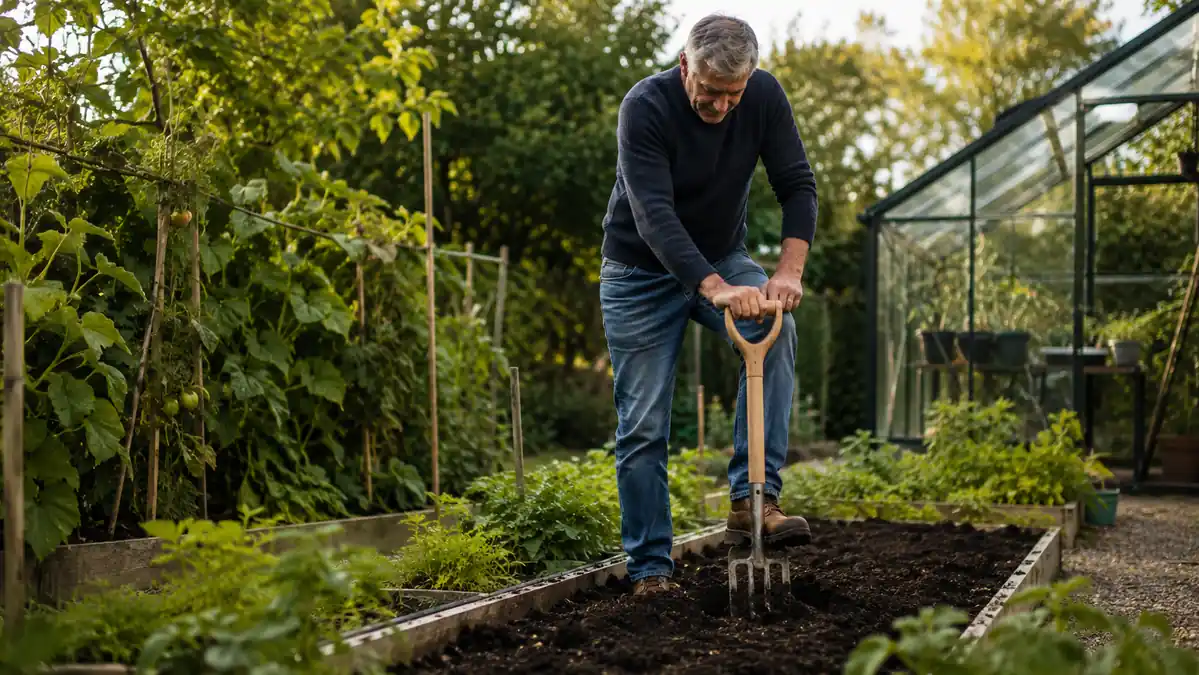
For years I only owned one digging tool, a flat-blade shovel, and I used it for everything: turning new beds, working compost into the vegetable rows, lifting potatoes in the fall. It worked, sort of, but every session left my shoulders sore and my compost pile more compacted than when I started. A neighbor who's gardened the same quarter acre for thirty years finally talked me into buying a digging fork, and the difference showed up on the very first bed I turned. I picked up a Truper spading fork, the 30-inch model with the four steel tines and a wood D-handle, and it has done more for my soil prep routine than any other single tool in the shed. If you're still relying on a shovel alone, here are ten reasons a digging fork deserves a spot right next to it.
A digging fork isn't a shovel replacement, it's a different job entirely. A shovel is built to cut and lift a solid slice of soil. The Truper spading fork is built to pry, loosen, and separate soil without slicing through everything in its path, which turns out to matter a lot more than I expected once I started comparing the two side by side, bed by bed, season after season.
Compacted Soil Doesn't Have to Fight You Every Spring
The Truper spading fork breaks up hard ground and turns compost in half the time a flat shovel takes. See today's price and decide if it earns a spot in your shed.
Amazon See Today's Price on Amazon →A Digging Fork Breaks Up Compacted Soil Without Packing It Down Further
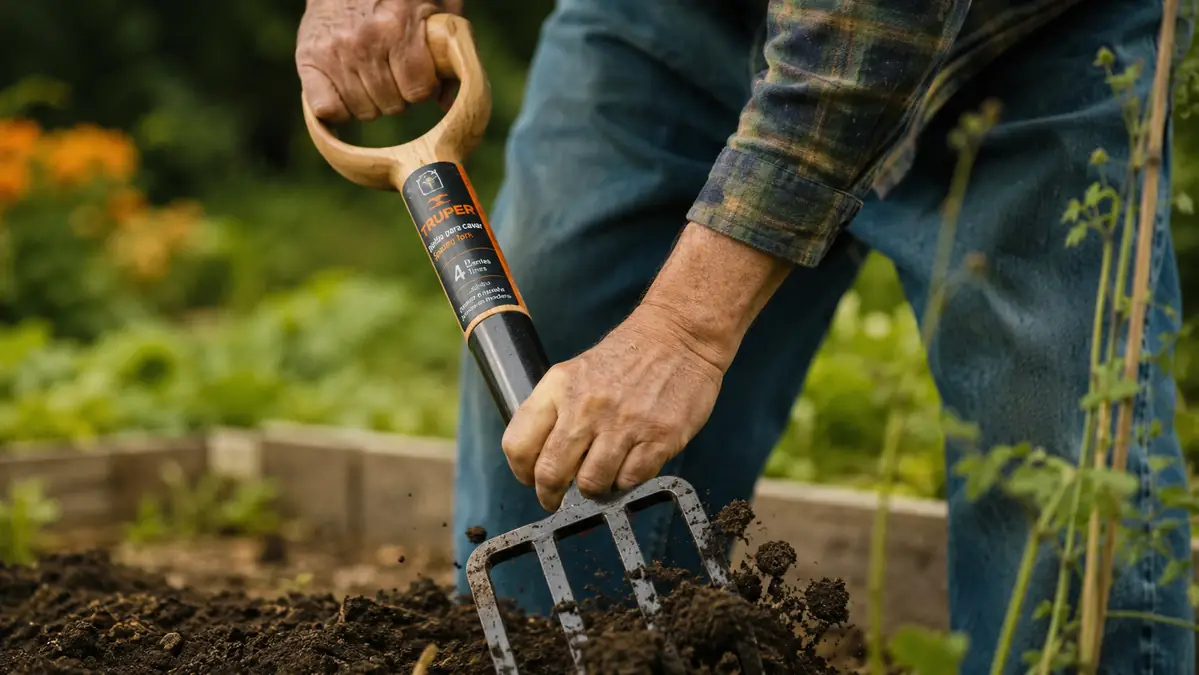
A flat shovel blade slides into the ground as a solid wall, and every time you lift a load, the soil on either side of that wall gets squeezed and packed tighter. A digging fork does the opposite. The four tines slip between soil particles instead of cutting a solid plane, so the ground actually loosens as you work it instead of compacting further. On the clay strip along my back fence, the difference was obvious within the first ten minutes. I go into more detail on how that plays out over a full season in my long-term review of this fork.
The Tines Slide Through Rocky Ground Where a Shovel Just Bounces Off
My side yard sits over a shelf of small buried rocks left over from an old gravel driveway, and a shovel blade would glance right off them, jarring my wrists every time. The tines on this spading fork find the gaps between rocks instead of striking them head on. I still hit the occasional stone dead center, but it happens far less often, and when it does the tines usually just walk around it rather than stopping cold the way a shovel edge does.
Turning Compost Is Noticeably Faster With a Digging Fork
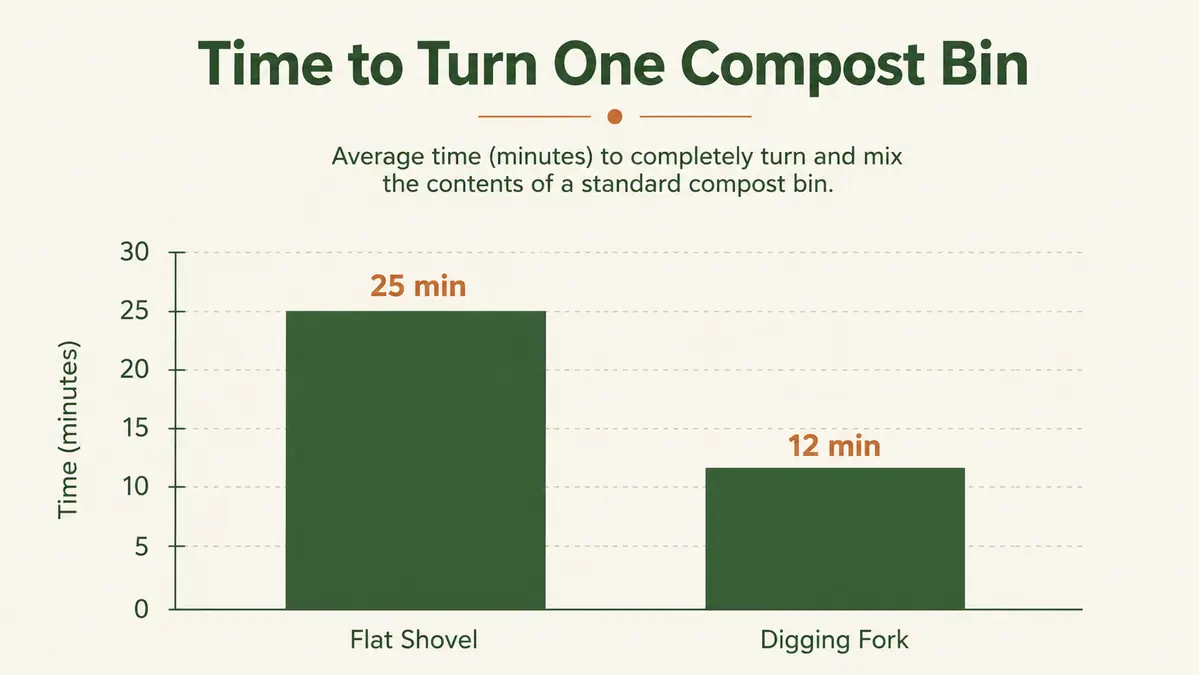
I time myself sometimes, mostly out of curiosity, and turning a full compost bin with a shovel used to run me close to twenty-five minutes of heaving and scraping. With a fork, the same job takes closer to twelve. The tines slide into the pile and lift a loose, aerated forkful instead of a dense shovel slab, so the material actually mixes and breathes instead of just relocating in one solid clump.
A Spading Fork Lifts Root Vegetables Without Slicing Them in Half
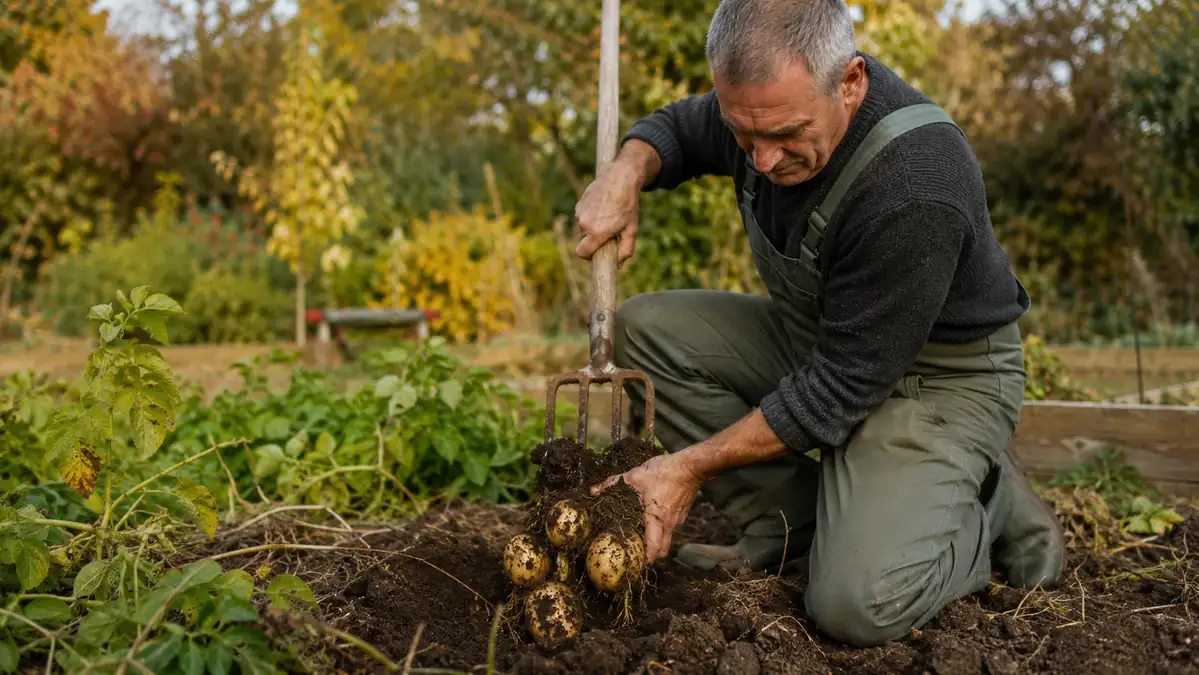
Every fall I used to lose a handful of potatoes to my own shovel, sliced clean through on the way up out of the ground. The tines on a digging fork are spaced wide enough to slip past most potatoes, carrots, and beets instead of cutting into them. I still lose the occasional one that's sitting right where a tine goes down, but it's a fraction of what I used to sacrifice to the shovel blade.
Aerating Clay Soil Is Easier With Tines Than a Solid Blade
Heavy clay needs air pockets worked into it before it'll drain and support root growth, and a solid shovel blade doesn't leave much room for that. Driving a digging fork in and rocking it back and forth opens up channels through the clay that a shovel just can't create. I do this pass every spring before I add compost, and the beds that get the fork treatment noticeably outdrain the ones I only turned with a shovel.
Dividing Perennials Goes Smoother With a Fork Than a Shovel
When I split my hostas and daylilies every few years, a shovel tends to chop straight through root clumps I'd rather keep intact. A digging fork slides in around the root mass and levers it up mostly whole, then I can pull the clump apart by hand along its natural divisions. The plants transplant better afterward because more of the root system survives the move.
Less Soil Sticks to the Tines Than to a Shovel Blade
Wet clay soil loves to glue itself to a flat shovel blade, and I used to spend half my digging time knocking dirt off the metal with a stick. The open spacing between tines on a spading fork just doesn't hold onto wet soil the same way. Less scraping means less standing around between forkfuls, which adds up over an afternoon of bed prep.
The Truper's Steel Head Holds Up to Prying Without Bending
Prying with a digging fork puts real leverage stress on the tines, and I've bent a cheaper fork before by wedging it under a stubborn root ball and putting my full weight on the handle. The Truper's forged steel head hasn't so much as flexed under the same kind of pressure, and I compared it directly against a flat-blade digging spade in a separate head-to-head breakdown if you want the full rundown on build quality.
Breaking New Ground, a Digging Fork Pries Up Sod Better Than a Shovel
When I carved a new vegetable bed out of a patch of lawn last spring, I started with a shovel out of habit and switched to the fork within the first ten minutes. Driving the tines under a section of sod and levering up breaks the root mat loose in one motion, where a shovel just slices thin strips you have to keep re-cutting. The fork turned a weekend-long chore into an afternoon project.
A Digging Fork Cuts Down on Overall Fatigue During Long Sessions
Add it all up over a full prep season, new beds in spring, compost turned every few weeks, potatoes and root crops lifted in fall, and the fork saves real effort compared to a shovel doing the same jobs. Each forkful takes less muscle to break loose and lift than a packed shovel load, and less resistance per scoop means I can work longer before my lower back starts complaining. That alone has made soil prep a chore I don't dread anymore.
What I'd Skip
A digging fork isn't a full shovel replacement, and I still keep a flat shovel in the shed for a reason. Edging a bed border, moving loose mulch or gravel, or digging a clean-sided planting hole are all jobs a shovel handles better than the Truper fork ever will. The tines also aren't the right tool for very sandy or loose soil, where they can slide through without prying much of anything loose. For breaking up compacted ground, turning compost, and lifting root crops, though, the digging fork has become the tool I reach for first, with the shovel as backup rather than the other way around.
The shovel didn't leave the shed, it just stopped being the first thing I grab.
Ready to Stop Fighting Compacted Soil With a Shovel Alone?
Check today's price on the Truper 30-inch spading fork and see if it earns a permanent spot next to your shovel.
Amazon Check Today's Price on Amazon →