
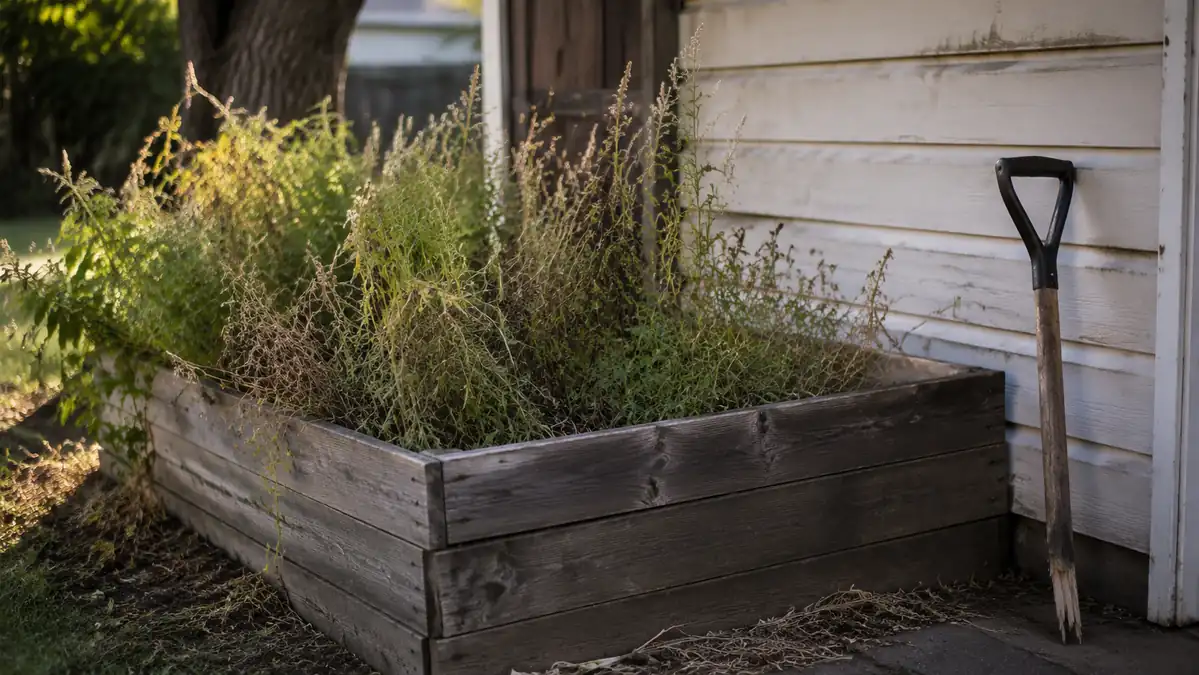
Two summers ago I framed out a new raised bed along the side of my garage, four feet by ten feet, figuring it would be a weekend project at most. What I found once I started digging was six inches of decent topsoil sitting on top of packed clay and gravel fill, leftover base material from when the garage foundation went in back in the eighties. It was less like soil and more like a driveway with dirt sprinkled on top. It would be nearly two years before a Truper spading fork sitting in a neighbor's garage finally solved it.
I went at it with the flat shovel I already owned, a cheap one from the hardware store that had done fine for edging flower beds. Ten minutes into that clay it bent at the neck. I bought a sturdier one, twenty some dollars, and that one cracked its handle at the socket a week later after I leaned my full weight on it trying to pry up a chunk the size of a dinner plate. A third shovel, fiberglass handled and supposedly built for this kind of work, snapped clean at the collar by the end of that same afternoon.
After three shovels I quit. I threw a tarp over the bed frame and told myself I'd get back to it. I didn't. That bed sat empty for two full growing seasons, nothing in it but crabgrass, a stray soccer ball my kids kicked over the fence, and a wheelbarrow I never got around to moving. Every time I walked past it on the way to the garage, it felt less like an unfinished project and more like a small daily reminder that I hadn't figured this out.
It was Walt, two doors down, who finally said something. He's retired, grows tomatoes the size of softballs, and he'd watched me haul that third broken shovel to the curb on trash day. He asked what I was actually trying to do, and when I told him about the clay under the bed, he laughed and said I was using the wrong tool entirely. A shovel is built to slice and lift. Clay like mine doesn't want to be sliced, it wants to be pried apart, and for that you want tines, not a blade.
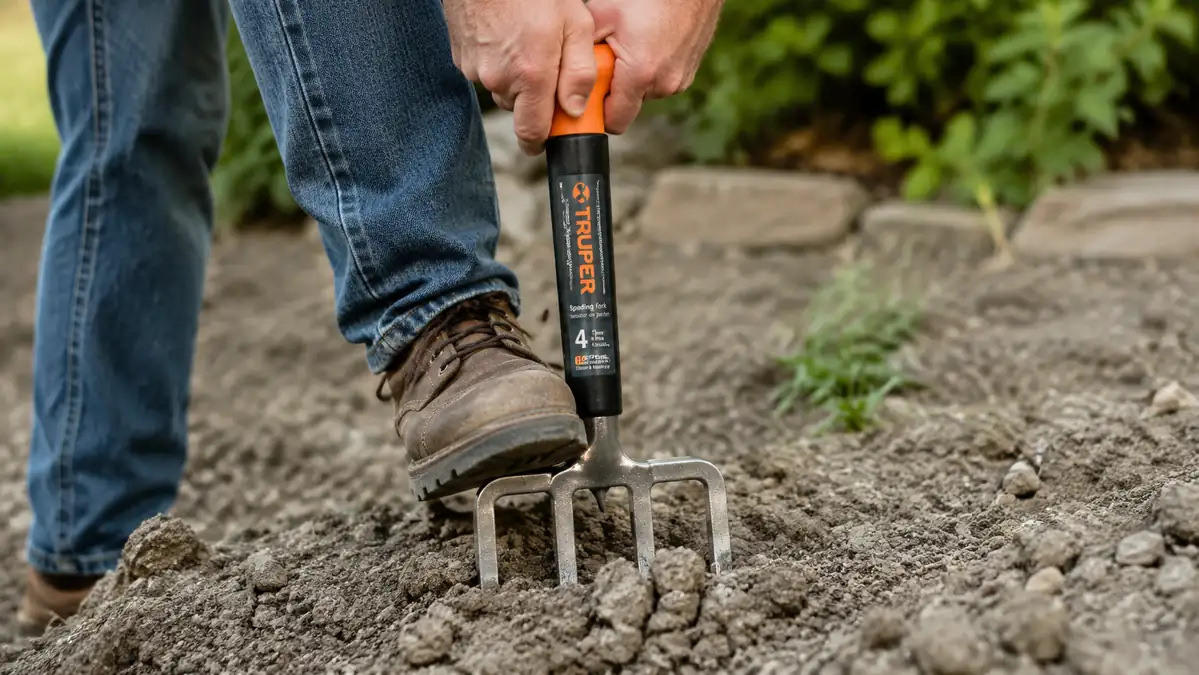
He walked over to his own garage and came back with a Truper spading fork, the 30 inch model with the wood handle and four square steel tines, and told me to just try it on my bed before I bought anything. I stepped it into the clay the way he showed me, straight down with my full weight on the shoulder, and rocked the handle back. A whole section of that packed fill lifted and broke apart instead of skidding off the way it had under my shovel for two summers straight.
Two years of nothing but weeds and a stray soccer ball, and it turned out the fix had been leaning in Walt's garage the whole time.
Stop Fighting Clay With a Tool Built to Slice, Not Pry
If your shovel keeps skidding off packed clay or snapping at the handle, the Truper spading fork is built for exactly that fight, four square steel tines that bite in instead of bouncing off. Check today's price and current availability on Amazon before your next round of bed prep.
Amazon Check Today's Price on Amazon →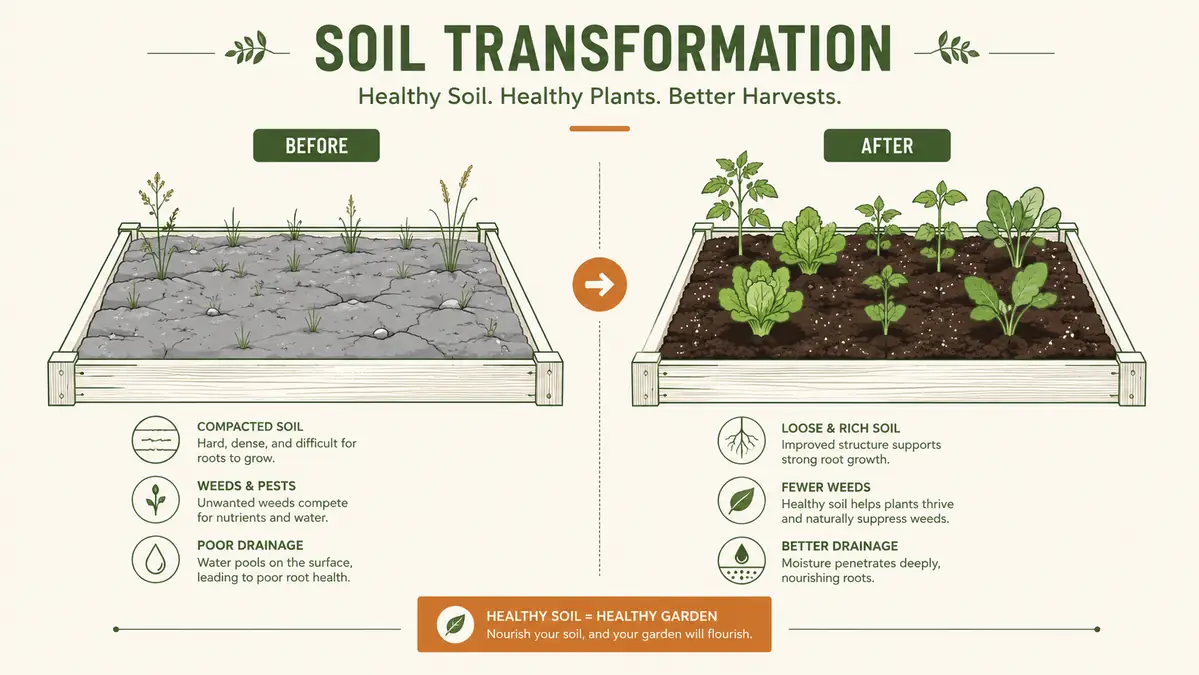
I ordered my own Truper the next day, the same 30293 model Walt had, and went back at that bed the following Saturday. It took me about ninety minutes to break the whole four by ten section down to a workable depth, stepping the tines in every few inches, rocking, lifting, and moving over. Ninety minutes total, after two summers of avoiding the job entirely and three shovels in the trash.
The square tines were the part I didn't expect to matter as much as they did. They concentrate the force from your foot into a much narrower point than a flat shovel blade does, which is exactly why they punch into hardpan instead of gliding off the surface. Once I'd broken the clay into fist sized chunks, I worked in about six bags of compost and a bag of coarse sand to help with drainage, using the same fork to fold it all together instead of switching tools.
By the following weekend the bed was planted, tomatoes, peppers, and a row of bush beans along the front edge. It's been two seasons now and the soil in that bed drains and crumbles the way garden soil is supposed to, nothing like the driveway fill it started as. I still keep the Truper fork hanging on a hook just inside the garage door, because I use it every spring now for the same bed and for a second one I built last year along the fence.
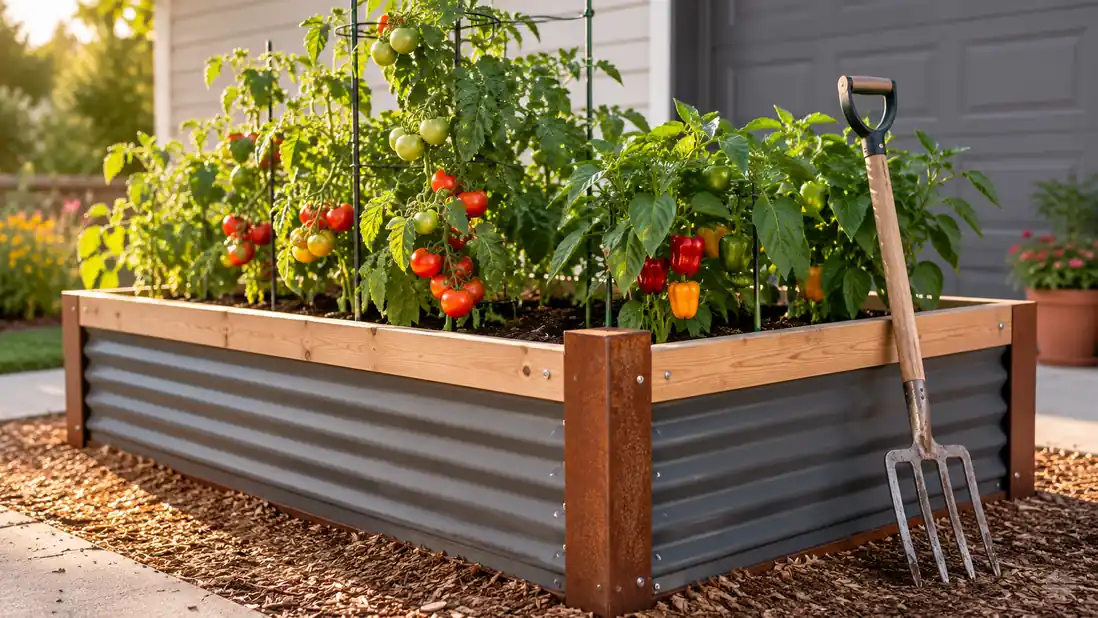
The wood handle needed a light sanding and a coat of linseed oil after that first rough season, which took maybe twenty minutes on a Sunday afternoon. That's the only upkeep it's asked of me. The steel head hasn't loosened, hasn't bent, and still bites into clay the same way it did that first Saturday with Walt standing over my shoulder telling me I was finally using the right tool.
What I'd Tell You If We Were Sitting at My Kitchen Table
If you've got a bed that's sat empty for a season or two because the ground under it feels more like a parking lot than soil, I'd tell you it's probably not your effort that's the problem. I spent two summers assuming I just wasn't strong enough or patient enough, when really I was showing up with a tool built to slice, for ground that needed to be pried apart instead.
I'd tell you to borrow a spading fork from a neighbor before you buy anything, the way I got to try Walt's, just to feel the difference for yourself. And once you feel a set of tines actually bite into hardpan instead of bouncing off it, I don't think you'll want to go back to a shovel for this kind of job. Mine's been hanging by the garage door for two years now, and it hasn't let me down once.
See the Fork That Talked Me Off the Ledge
It took ninety minutes to do what three broken shovels couldn't manage in two summers. If your bed is sitting on the same kind of packed clay mine was, check today's price on the Truper spading fork and see the specs for yourself.
Amazon Check Today's Price on Amazon →